01
Jul

Choosing the right window dressing can completely change the look and feel of your home. It affects privacy, light control, comfort, energy use and the overall mood of each room. Many homeowners compare a blind curtain with traditional curtains because both options offer different strengths for modern interiors.
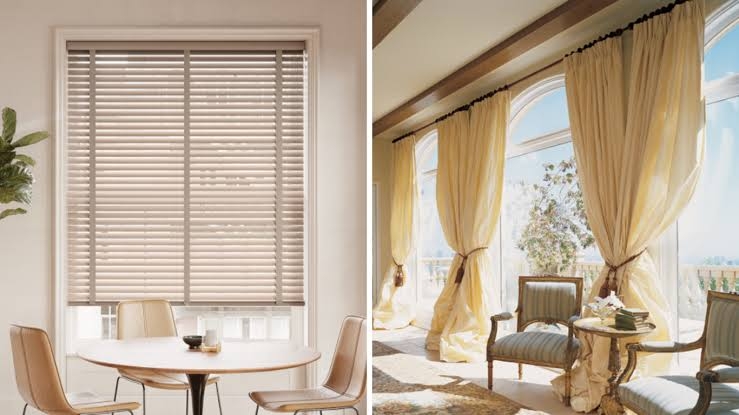
A blind curtain gives a cleaner and more structured appearance, while curtains create softness, warmth and elegance. The best choice depends on your room size, design style, daily routine and maintenance preference. If you are planning a home refresh, exploring BAAGUS curtain ideas can help you visualise how different window treatments work in real living spaces.
A blind curtain is ideal for homes that need a neat and compact window solution. Unlike full-length drapes that extend beyond the window, blinds usually sit closer to the frame. This makes them suitable for apartments, smaller rooms, kitchens, study areas and spaces where furniture is placed near the window.
The clean structure also suits minimalist interiors. It keeps the wall area tidy and prevents the room from looking too heavy. For homeowners who prefer a modern, uncluttered look, a blind curtain can make the space feel more open.
One major advantage of a blind curtain is flexible light control. You can adjust the height or angle to reduce glare while still allowing natural light into the room. This is especially useful in home offices, reading corners and living rooms with television screens.
A blind curtain can also provide privacy without fully darkening the room. During the day, it helps shield the interior from outside view while keeping the space bright and comfortable. This balance makes it practical for daily living.
Traditional curtains remain popular because they add texture and softness to a room. Full-length fabric panels can make a space feel more luxurious and complete. They work especially well in bedrooms, formal living rooms and large windows that need a stronger design feature.
Curtains can also make ceilings appear taller when installed high above the window frame. This design trick gives the room a more elegant and spacious feel. For homeowners who enjoy a cosy and classic atmosphere, curtains may be the better option.
Curtains offer a wide range of fabric choices, including sheer, blackout, linen, velvet and textured materials. Each fabric creates a different mood. Sheer curtains soften daylight, while blackout curtains improve sleep quality and privacy.
Layering is also possible. Many homeowners combine sheers with heavier curtains for day and night use. If you want a more decorative finish, browsing BAAGUS curtain collections can help you compare fabric styles, colours and finishes.
Window treatments can help improve indoor comfort. Thick curtains provide better insulation because fabric traps air between the window and the room. This can reduce heat entering during hot afternoons and help maintain a cooler indoor environment.
A blind curtain may provide less softness than heavy drapes, but it can still help manage sunlight and glare. According to the Energy Saving Trust, effective window coverings can support home energy efficiency by reducing unwanted heat loss or heat gain. The right choice depends on how much sunlight your room receives and how much insulation you need.
Curtains are generally better for sound absorption because thicker fabrics can reduce echo and soften outside noise. This is useful for homes near busy roads or active neighbourhoods.
However, a blind curtain still offers strong privacy benefits, especially when installed correctly. It can cover the window neatly without gaps and can be adjusted throughout the day. For bedrooms and bathrooms, privacy should be one of the key factors when choosing any window treatment.
Maintenance is an important factor when comparing curtains and blinds. Curtains may require vacuuming, washing or professional cleaning, depending on the fabric. Heavy drapes can collect dust, pet hair and odours more easily.
A blind curtain is often easier to maintain. Many styles can be dusted or wiped down while still installed. This makes it practical for busy households, allergy-sensitive families and rooms exposed to moisture, such as kitchens.
Simple care habits include:
Dusting blinds or curtains weekly.
Vacuuming fabric with a soft brush attachment.
Cleaning stains quickly.
Avoiding excessive moisture on fabric.
Choosing suitable materials for each room.
Both curtains and blinds can last for years when made with quality materials and installed properly. Poor fitting can cause uneven hanging, light gaps, loose brackets or early wear.
Professional measurement is important because each window has different dimensions. A properly fitted blind curtain or curtain set looks neater, functions better and lasts longer. For tailored advice, homeowners can contact BAAGUS Curtains to explore suitable options for different rooms.
A blind curtain may be the better choice if your priority is clean design, easy maintenance and flexible light control. It works well in modern interiors, compact rooms and spaces where you want a tidy window finish.
It is also suitable if you prefer less fabric, fewer layers and a more structured appearance. For kitchens, workspaces and smaller rooms, blinds can feel more practical than heavy curtains.
Traditional curtains may be better if you want warmth, drama and a more decorative look. They are especially suitable for bedrooms, living rooms and larger windows where fabric can enhance the overall interior design.
Curtains also offer better acoustic softness and insulation when thick fabrics or blackout linings are used. If your goal is to create a cosy and elegant room, curtains remain a strong choice.
A blind curtain is a window treatment that combines the neat structure of blinds with the soft appearance of fabric. It is often used for light control, privacy and a clean interior finish.
It depends on your needs. A blind curtain is better for compact spaces and easy maintenance, while curtains are better for softness, warmth and decorative styling.
Yes. Layering blinds with curtains gives better light control, privacy and design depth. This is useful for bedrooms and living rooms.
A blind curtain is usually easier to clean because it can often be wiped or dusted. Curtains may need washing or professional cleaning, depending on fabric type.
A blind curtain may be better for allergy-sensitive homes because it collects less dust than heavy fabric curtains and is easier to clean regularly.
Choosing between a blind curtain and traditional curtains depends on your home style, room size, privacy needs and maintenance preference. A blind curtain offers a sleek, practical and modern solution, while curtains provide softness, warmth and timeless elegance. Both can improve comfort, light control and the overall appearance of your space when selected carefully.
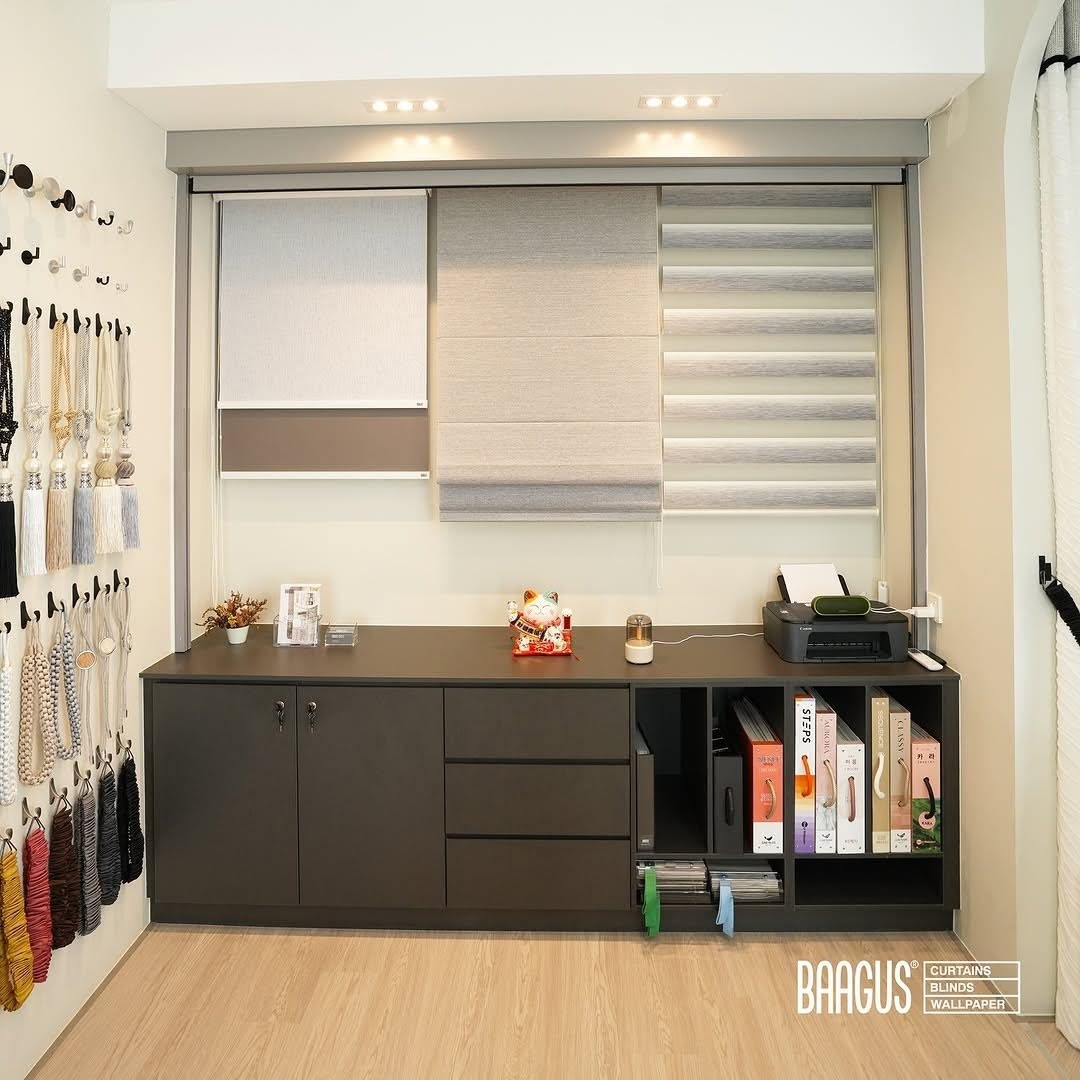
For the best result, consider the function of each room before deciding. Bedrooms may benefit from soft blackout curtains, while kitchens and workspaces may suit a cleaner blind curtain design. Visit BAAGUS stores near you and find some ideas from our blog page.



|
SHOWROOMSGet up-close with our products and services at these showroom locations. VISIT US |

|
PROMOTIONSGet our latest promotions and deals here. LATEST PROMOTIONS |

|
GALLERYTrendy design concept from Baagus Curtain special made for your lovely home VIEW MORE |
 Chat with us on Whatsapp